1. Describe what you found
Tell the team about syringes, powders, stains or smells. You do not need to explain why they are there.
Groveville, NJ · Mercer County
Business owners in Groveville who find syringes in a restroom or storeroom can call (877) 812-4220. A cleanup team can remove sharps and residue and clean the room before it reopens.
If anyone is in danger, call 911 first. For a suicide crisis, call or text 988.
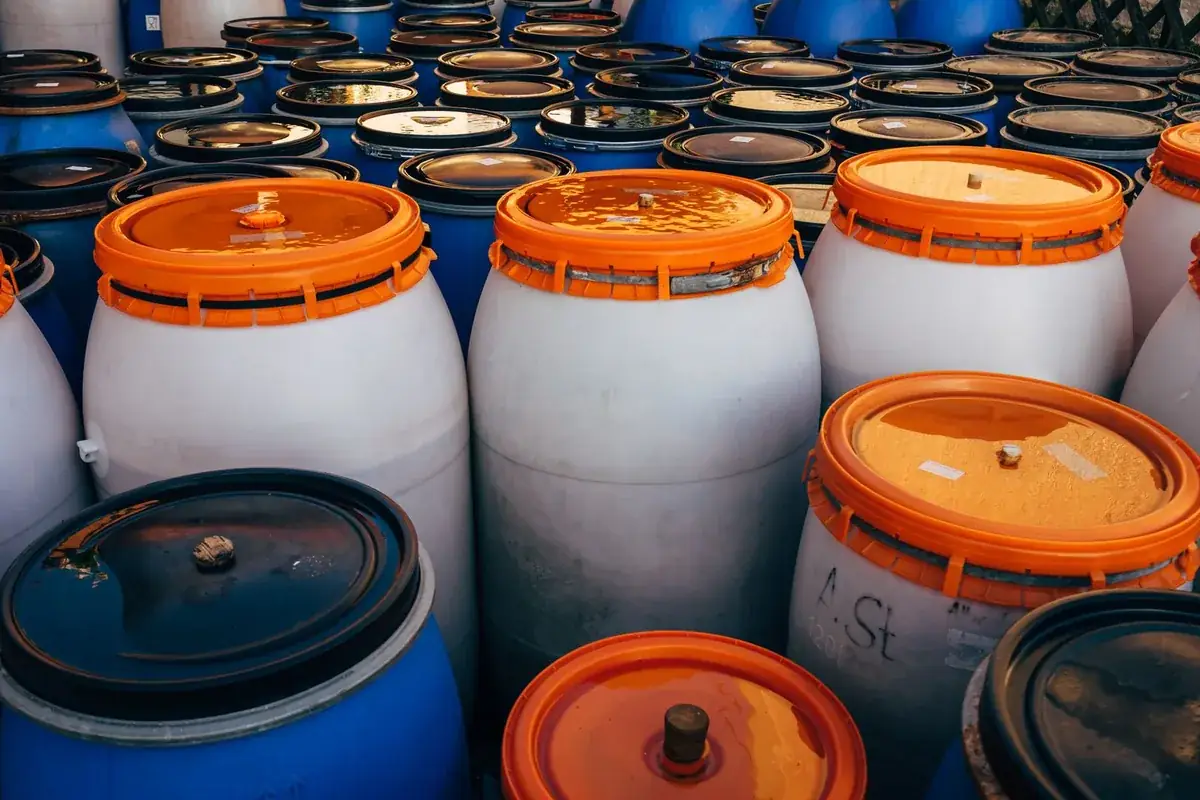
Biohazard cleanup for drug use covers removal of contaminated items, decontamination of surfaces, disposal of soft materials that cannot be cleaned and treatment of lingering odor.
Need syringes, pipes and other drug use items removed from your space in Groveville or elsewhere in Mercer County? Call Groveville Biohazard Cleanup Help to get the space cleaned and disinfected. Crews work with protective equipment and without judgment.
The vacancy rate in Mercer County is only about 5%, so most paraphernalia calls come from occupied homes, rentals and businesses. After a needle stick or exposure to an unknown substance, get medical care. Robert Wood Johnson University Hospital at Hamilton in Hamilton is the closest emergency room to Groveville.
A typical drug paraphernalia cleanup job includes:
Tell the team about syringes, powders, stains or smells. You do not need to explain why they are there.
Sharps come first, then bags, foil, containers and stained linens. Each is sorted into the right container.
Paraphernalia goes into sealed containers, and hard surfaces are cleaned with EPA-registered products.
The space is checked once more, and the crew answers questions before leaving.
The cost of drug paraphernalia cleanup in Groveville, NJ depends on the amount of material, how it is packed and how it is hauled.
Disposal of sharps and contaminated materials as regulated waste is part of the price, and it changes with the amount.
| Type of job | Typical range |
|---|
Estimates only, not a quote. Sources: . Price drivers include amount of material, whether residue is present, surfaces affected, waste disposal. Call (877) 812-4220 to talk through the job.
A careful cleanup removes the items and cleans the surfaces it covers. Testing is a separate step, and rules vary by place. Ask the team what it did and did not check, and ask the local health department what applies where you live.
It can. Once soiled items are removed, a team can treat lingering odor in the air and on surfaces. Ask what methods the team uses and whether odor treatment is part of the plan or a separate step.
No. This page explains how drug paraphernalia cleanup works. It is not medical, legal or insurance advice. For symptoms, contact a doctor or Poison Control, and for legal questions, ask an attorney.
Wash the area with soap and water and get medical care right away. Call 911 in an emergency. Poison Control can answer exposure questions. Tell the doctor what happened and where the needle was found, if you know.
Crews wear protective gear, remove sharps and loose items, and then clean hard surfaces with EPA-registered disinfectants. Porous materials such as carpet, padding or upholstery that took in residue may be removed. The team can explain what applies to your space.
It can. Powders and stains may stay on floors, furniture, bedding and in vents after the items are gone. That is why a team cleans and disinfects the surfaces and removes soft materials that cannot be cleaned. Ask what the plan covers.
Describe what you found and ask how removal and cleaning would work.
Call (877) 812-4220